Why Venice Is the World's Most Romantic Wedding City
Venice needs no introduction. Built across 118 small islands connected by over 400 bridges, this improbable city floating on a lagoon has been synonymous with romance, beauty, and celebration for over a thousand years. As a wedding destination, Venice offers something no other city on earth can — a setting so extraordinary that it elevates even the simplest celebration into something cinematic.
Around 3,000 destination weddings take place in the Venice metropolitan area each year, drawing couples from every corner of the globe. The appeal is multifaceted: the labyrinthine streets and canals that reward those who get deliberately lost; the golden light reflecting off the water that bathes everything in warmth; the grand palazzi lining the Grand Canal, built by merchant families who understood spectacle; the intimate campi (squares) and hidden gardens; and the incomparable experience of arriving at your wedding by gondola or water taxi.
Venice also boasts world-class dining, the faded grandeur of iconic hotels like the Gritti Palace, the Cipriani, and the Danieli, and a cultural calendar (the Biennale, the Film Festival, Carnival) that attracts artists and creative minds from around the world. The wedding season runs from April through November, with May-June and September-October being the most popular periods — warm enough for outdoor events but without the oppressive heat and peak tourist crowds of July-August.
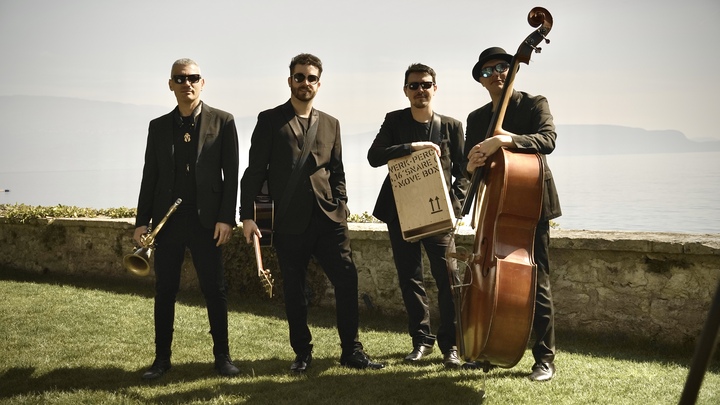
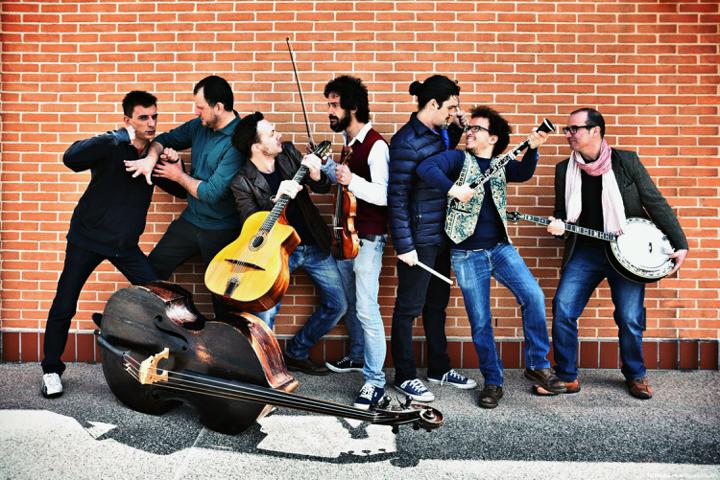
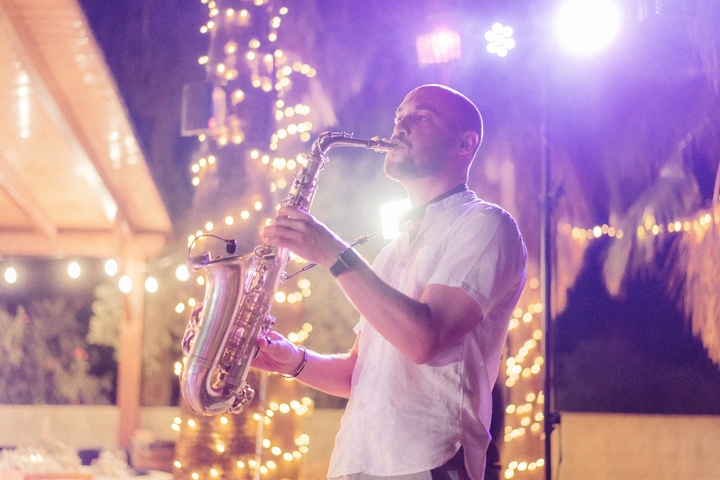
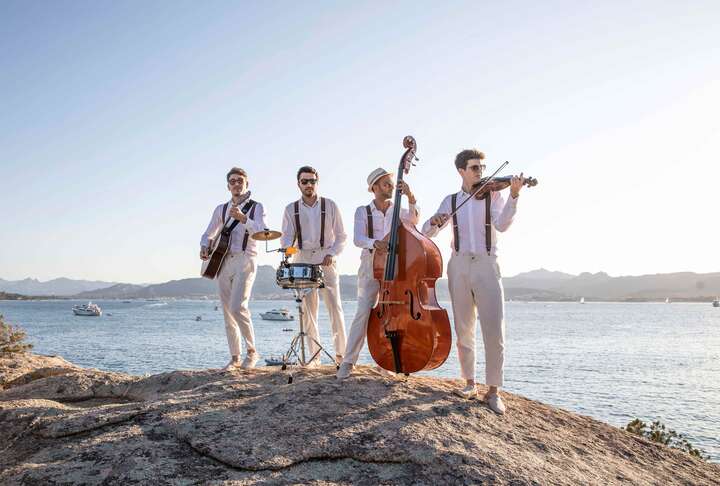
Music has always been central to Venetian culture. This is the city of Vivaldi, of the opera houses, of centuries of courtly entertainment in candlelit palazzi. The right wedding band doesn't just provide entertainment in Venice — it becomes part of the city's living musical tradition, and the acoustics of water-surrounded stone create something truly magical.
Popular Venues & Settings for Venetian Weddings
Grand Canal Palazzi
The ultimate Venetian wedding takes place in a palazzo on the Grand Canal — the same buildings that once hosted the doges, merchants, and artists who shaped European civilisation. Several palazzi are available for private events, including Ca' Sagredo, Palazzo Pisani Moretta, Ca' Vendramin Calergi, and Palazzo Cavalli (which also serves as the city's marriage hall for civil ceremonies). These venues offer frescoed ballrooms, marble floors, and balconies overlooking the Grand Canal.
Band considerations: Palazzo venues are magnificent but acoustically demanding. High ceilings (often 6-8 metres), marble and terrazzo floors, and hard plaster walls create highly reverberant spaces where sound reflects and builds rapidly. Bands must exercise careful volume management — a sound engineer experienced in historic European venues is not optional, it's essential. Amplified music in these spaces can quickly become overwhelming; smaller acoustic-forward configurations often produce better results than large, loud lineups. Load-in is the primary logistical challenge: all equipment arrives by water. Bands must coordinate with the venue's facchini (porters) and water taxi or cargo boat services to transport gear from the water entrance up potentially several flights of stairs. Plan 2-3 hours for load-in rather than the usual 1-2.
Luxury Hotel Venues
Venice's iconic hotels — the Belmond Hotel Cipriani on Giudecca, the Gritti Palace, the Aman Venice (Palazzo Papadopoli), the St. Regis, and the Bauer Palazzo — offer world-class event spaces with the infrastructure that professional bands appreciate: proper power supply, stage areas, and experienced event teams who coordinate regularly with musicians. Rooftop terraces, waterside gardens, and ballrooms provide versatile settings.
Band considerations: Hotels represent the most straightforward option for band logistics in Venice. They have established load-in procedures, dedicated event power, and often their own staging and lighting equipment. Sound management in hotel ballrooms is typically more predictable than in unfurnished palazzi. However, hotels also tend to have the strictest noise policies — many enforce hard curfews at 11pm or midnight, and decibel limits may be imposed. The Cipriani's garden terrace on Giudecca offers a rare combination of outdoor space and waterfront setting with slightly more flexibility than central Venice hotels.
Island Venues
The Venetian lagoon offers island venues that are genuinely unique. The island of San Clemente (home to a luxury resort), Torcello (the oldest settlement in the lagoon), and the colourful fishermen's islands of Burano and Murano all host weddings. Private island hire — while expensive — offers the ultimate in exclusivity and freedom.
Band considerations: Island venues introduce additional logistics: equipment and musicians must travel by boat, and timing is dictated by ferry or water taxi schedules. The upside is enormous: island settings often have relaxed noise restrictions (no residential neighbours), outdoor spaces with natural beauty, and an atmosphere of otherworldly isolation. For Torcello and the smaller islands, confirm that the venue can provide adequate power — some island properties rely on generators. Weather contingency planning is critical, as there may be no indoor fallback at smaller island venues.
Churches & Religious Venues
Venice's churches are among the most beautiful in the world — the Basilica di San Marco, the Church of San Giorgio Maggiore, Santa Maria dei Miracoli, and dozens of others offer breathtaking settings for wedding ceremonies. Several smaller churches and former monasteries are available for private ceremonies.
Band considerations: Catholic church ceremonies in Venice follow strict liturgical music rules. The parish priest must approve all music, and typically only sacred repertoire performed by acoustic instruments or organ is permitted. Many Venetian churches have extraordinary pipe organs, and hiring a skilled organist creates a ceremony of genuine grandeur. String ensembles and classical vocalists are welcome in most churches. Non-liturgical civil ceremonies held in deconsecrated churches or private chapels offer more musical freedom. Always confirm music requirements with the specific church well in advance.
Mainland & Veneto Region Venues
The Veneto region surrounding Venice offers villa venues that combine Venetian elegance with the logistical ease of mainland locations. Palladian villas along the Brenta Canal — including Villa Pisani and private estates — provide grand architecture with gardens, accessible by road. The Prosecco hills of Valdobbiadene and Conegliano, the walled city of Treviso, and the Euganean Hills near Padova offer beautiful countryside alternatives within an hour of Venice.
Band considerations: Mainland venues eliminate Venice's waterborne logistics entirely. Bands can drive to the venue, load in conventionally, and access reliable power and infrastructure. The Palladian villas offer large, well-proportioned spaces that are acoustically more forgiving than Venice's palazzi. Sound curfews vary by municipality — rural villas tend to be flexible, while venues closer to residential areas may enforce 11pm-midnight limits. For couples who want the Venetian aesthetic without the logistical complexity, these venues offer an excellent compromise.