Why Rome Is a Timeless Wedding Destination
Rome needs no introduction. The Eternal City has been the backdrop to love stories for over two millennia, and its combination of ancient grandeur, baroque beauty, and vibrant modern culture makes it one of the most romantic cities on earth. Approximately 5,000 destination weddings take place in Rome and the surrounding Lazio region each year, drawing couples who want to marry against a backdrop that is genuinely unmatched anywhere in the world.
What makes Rome particularly compelling as a wedding destination is the sheer variety on offer. Within the city, you can marry in a Renaissance palazzo overlooking the Tiber, celebrate in a rooftop terrace with views of St. Peter's dome, or host a reception in a converted 16th-century convent. Step outside the city and the Lazio region offers Castelli Romani hill towns like Frascati and Castel Gandolfo, medieval villages in the Sabine Hills, lakeside venues at Lago di Bracciano, and coastal celebrations at Santa Marinella or Gaeta.
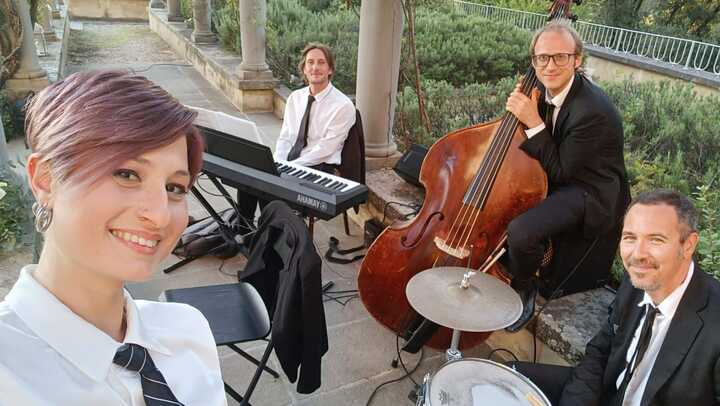
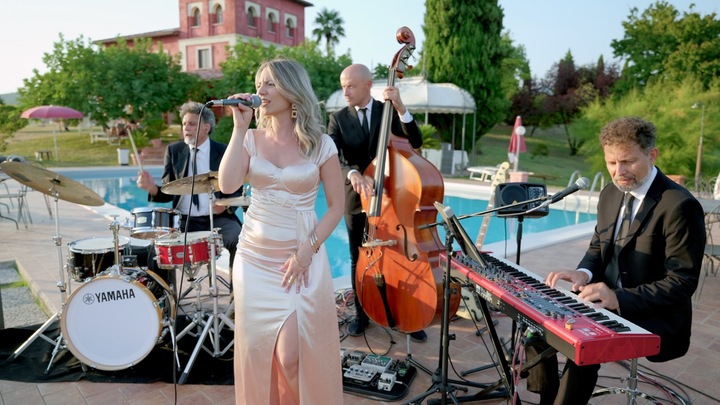
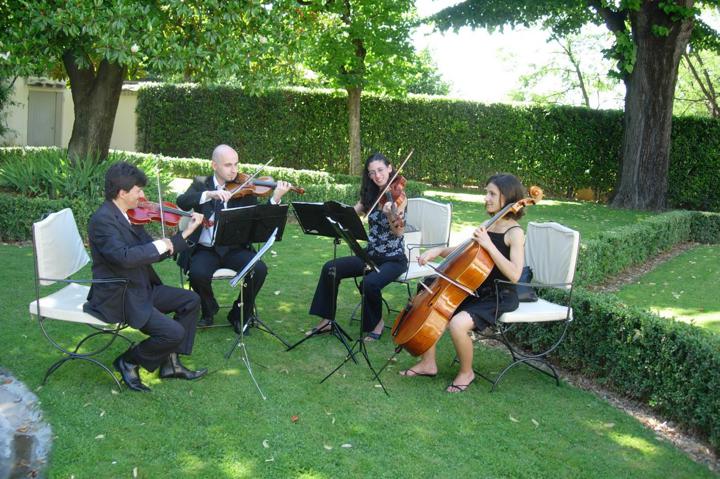
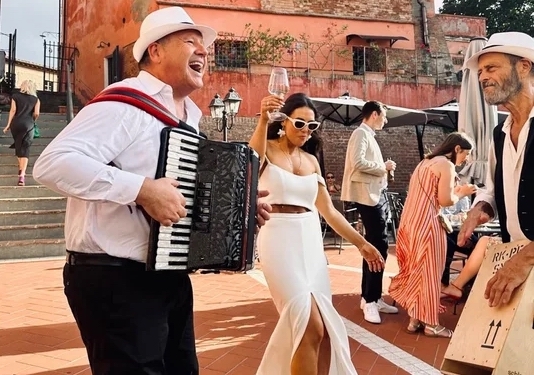
Rome is also Italy's best-connected city, with two international airports (Fiumicino and Ciampino), high-speed rail connections, and a deep pool of world-class wedding professionals. For live music, Rome is arguably Italy's strongest market — the city's thriving music scene means you'll find exceptional talent across every genre, from classical ensembles to funk and soul showbands.
Popular Venues & Settings for Rome Weddings
Historic Centre Palazzi & Terraces
Rome's centro storico is home to some of Italy's most dramatic wedding venues: Renaissance and baroque palazzi with frescoed ceilings, marble staircases, and rooftop terraces overlooking the city's iconic skyline. Venues near Piazza Navona, the Pantheon, and Trastevere offer a quintessentially Roman experience.
Band considerations: City-centre venues come with significant noise restrictions. Many municipi (districts) enforce a strict 23:00 (11pm) curfew for amplified music, and some terraces have decibel limits as low as 75 dB at the property boundary. Bands must be adept at managing volume — experienced Rome-based bands know exactly how to deliver energy at lower volumes. Acoustic and semi-acoustic setups are often the safest choice. Load-in can be challenging: narrow cobbled streets, limited vehicle access, and multiple flights of stairs are standard. Confirm parking and load-in routes well in advance.
Castelli Romani & Alban Hills Estates
Just 20-30 minutes south of central Rome, the Castelli Romani towns of Frascati, Grottaferrata, and Ariccia offer villa and estate venues with sweeping views over the Roman campagna. These towns are famous for their white wines and porchetta, and the slightly elevated position provides cooler evening temperatures than the city.
Band considerations: Castelli Romani venues generally have more relaxed noise policies than central Rome, with midnight or 1am curfews common. Outdoor performance spaces are typical, so weather contingency planning is essential. Electrical supply at older villas should be confirmed — a dedicated circuit for the band is standard practice.
Lago di Bracciano & Northern Lazio
The volcanic lake of Bracciano, about 40km northwest of Rome, has become increasingly popular for weddings. The medieval Castello Orsini-Odescalchi (where Tom Cruise married Katie Holmes) put the lake on the wedding map, and numerous lakeside venues now cater to ceremonies and receptions with water views.
Band considerations: Lakeside acoustics are distinctive — water reflects sound efficiently, meaning music carries further than you might expect. This is beautiful for ceremony music but requires careful management during the evening party to avoid disturbing lakeside residents. Most venues here have ample outdoor space and decent infrastructure.
Appia Antica & Southern Rome Estates
The ancient Appian Way and the countryside south of Rome offer a unique combination of archaeological atmosphere and pastoral beauty. Restored casali (farmhouses) and estates along the Appia Antica park provide green, tranquil settings just minutes from the city.
Band considerations: These semi-rural venues typically offer generous space for band setup and dancing, with fewer noise concerns than city-centre locations. The proximity to Rome means bands have easy access and minimal travel costs. Power supply is generally reliable at established venues.
Churches & Religious Venues
Rome is home to over 900 churches, and a Catholic ceremony in a Roman church followed by a reception at a nearby venue is a classic combination. From intimate parish churches in Trastevere to grand basilicas, the options are extraordinary.
Band considerations: Church music in Rome follows strict guidelines set by the diocese. Generally, only sacred or classical music is permitted during the liturgy, and amplification may be restricted or prohibited. A church organist or choir is often required or recommended. Plan your ceremony music separately from your reception entertainment.
Countryside Estates in Sabina & Tuscia
North of Rome, the Sabine Hills and the Tuscia area (around Viterbo) offer rustic elegance at a lower price point than Tuscany. Medieval villages, thermal springs, and hazelnut groves create a distinctly Roman-countryside atmosphere.
Band considerations: More remote locations require careful logistics planning. Confirm that your band can access the venue comfortably, and discuss equipment needs for potentially basic infrastructure. These venues reward bands that can adapt to varied conditions.