Wedding Bands in Puglia

Live music for unforgettable Apulian celebrations

1113 verified acts available in Puglia

Why Puglia Is One of Italy's Fastest-Growing Wedding Destinations

Puglia — the sun-drenched heel of Italy's boot — has rapidly ascended the ranks of Europe's most desirable wedding destinations. Once considered a well-kept secret among Italian travellers, the region now attracts around 4,000 destination weddings per year, with British, American, Australian, and Northern European couples drawn by its unique combination of ancient architecture, pristine coastline, and authentic southern Italian warmth that feels untouched by mass tourism.

What sets Puglia apart is its distinctive architectural heritage. The region is home to masserie (fortified farmhouses), trulli (the iconic conical-roofed stone houses of the Itria Valley), baroque old towns like Lecce — often called the "Florence of the South" — and whitewashed coastal villages like Ostuni, Polignano a Mare, and Monopoli. These settings provide backdrops that are visually striking and unlike anything found elsewhere in Italy or Europe.

The culinary tradition here is arguably Italy's finest — Puglia produces more olive oil than any other region, its orecchiette pasta and burrata cheese are legendary, and the local Primitivo and Negroamaro wines offer excellent value. The wedding season runs from May through October, with June and September being peak months, though Puglia's mild climate makes late April and early November viable options.

Live music is deeply woven into Pugliese culture. From the hypnotic rhythms of the pizzica to the lively brass bands that still parade through towns during festivals, this is a region where music isn't background — it's the heartbeat of every celebration. The right wedding band channels that energy and transforms an already spectacular event into something genuinely unforgettable.

Popular Venues & Settings for Pugliese Weddings

Masseria Venues

The masseria — a converted fortified farmhouse — is the quintessential Puglia wedding venue. These ancient agricultural estates, many dating to the 16th and 17th centuries, have been restored into luxury event spaces surrounded by olive groves, dry-stone walls, and open countryside. Locations around Fasano, Savelletri, and the Itria Valley are particularly popular, with properties ranging from intimate 50-guest estates to sprawling complexes accommodating 250+.

Band considerations: Masseria venues are typically rural and isolated, which is ideal for sound — neighbours are rarely an issue, and music can often continue past midnight. However, the remoteness means power infrastructure can be limited. Many older masserie run on single-phase electrical supplies that struggle under the load of a full band's PA system, lighting rig, and catering equipment simultaneously. Confirm amperage with the venue and discuss generator backup with your band. Load-in is generally straightforward — most masserie have courtyard or lawn performance areas accessible by vehicle — but uneven stone surfaces mean bands should bring their own staging or risers.

Trulli Settings in the Itria Valley

The trulli of Alberobello (a UNESCO World Heritage Site) and the surrounding Itria Valley offer one of the most photogenic wedding backdrops in the world. Several converted trulli complexes now function as boutique wedding venues, with ceremonies held among the cone-shaped rooftops and receptions in walled gardens or restored communal spaces.

Band considerations: Trulli complexes are intimate by nature, and performance areas tend to be compact. A trio or quartet fits perfectly; a 6-piece band may feel crowded without careful spatial planning. The stone construction creates bright, reverberant acoustics that flatter acoustic instruments but can overwhelm with heavy amplification. Experienced bands will use restrained sound systems and prioritise acoustic arrangements. Access roads in the Itria Valley are narrow and winding — share precise GPS coordinates and load-in instructions with your band well in advance.

Coastal & Cliff-Edge Venues

Puglia's Adriatic coastline provides dramatic ceremony settings, particularly around Polignano a Mare (with its famous sea caves and cliff-edge terraces), Monopoli, Trani, and the Salento coast further south. Rooftop terraces, beachfront restaurants, and cliff-edge gardens overlooking turquoise water create magical outdoor reception spaces.

Band considerations: Coastal venues are exposed to wind, which affects sound quality and can damage equipment. Bands need wind shields for microphones and should secure lightweight equipment and sheet music. Salt air can also be tough on instruments and electronics — experienced bands take precautions. Sound carries unpredictably near water and cliffs; a good sound engineer will adjust PA positioning to project toward guests rather than out to sea. Many coastal venues in town centres have stricter noise curfews (often 11pm) than rural alternatives.

Baroque Palazzi & Town Venues in Lecce

Lecce's ornate baroque architecture provides a grand, almost theatrical setting for weddings. Restored palazzi with interior courtyards, rooftop terraces overlooking the Duomo, and converted convents offer event spaces with serious architectural impact. Similar historic venues can be found in Ostuni, Martina Franca, and Taranto's old town.

Band considerations: Stone courtyards in Lecce's palazzi are acoustically live — sound bounces off limestone walls and amplifies significantly. Bands must manage volume carefully and an experienced sound engineer is essential. Many of these venues are in the historic centre with limited vehicle access, meaning equipment may need to be hand-carried through narrow streets. Confirm load-in routes, parking arrangements, and any time restrictions with your venue coordinator.

Olive Grove & Rural Estate Celebrations

Open-air weddings set among Puglia's ancient olive trees — some over a thousand years old — are increasingly popular. These events are often hosted at working agricultural estates (aziende agricole) or private country properties that offer vast outdoor spaces with very few constraints.

Band considerations: Fully outdoor settings in Puglia's countryside are among the most forgiving environments for bands: no walls to create echo, no neighbours to disturb, and plenty of space for equipment and staging. The challenge is infrastructure — these sites may have no permanent power, no shelter, and limited access roads. A generator, covered stage area (even a simple gazebo), and proper cable management across uneven ground are essential. Summer evening temperatures in Puglia remain warm well past midnight, which is comfortable for guests but means instruments (particularly guitars and keyboards) may need attention.
Read the full Puglia wedding guide

Music & Entertainment for Pugliese Weddings

Puglia weddings are known for their energy, warmth, and extended celebrations. Live music plays a central role at every stage:

  • Ceremony music: An acoustic guitarist, string duo, or solo vocalist suits the intimacy of a masseria chapel or outdoor ceremony. For Catholic ceremonies in Pugliese churches, consult with the priest about permitted music — many require sacred or classical selections only. Civil ceremonies outdoors offer complete freedom.

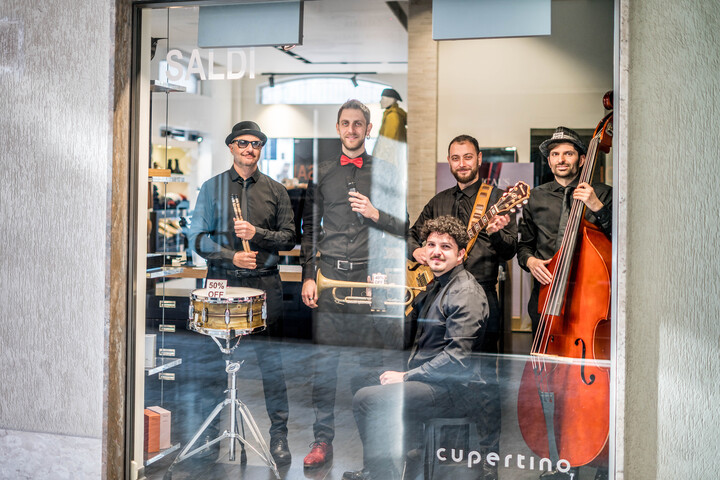
  • Aperitivo & cocktail hour: The aperitivo in Puglia is generous and leisurely, often lasting 90 minutes or more with an abundance of antipasti, focaccia, and local wine. A jazz trio, acoustic duo, or even a small folk ensemble playing light pizzica rhythms creates the perfect atmosphere — upbeat but not overpowering.

  • Dinner music: Background music during dinner is standard. A solo pianist, acoustic duo, or the mellower members of your evening band work well. Many couples choose to have a vocalist perform 2-3 special songs during dinner as a surprise for guests.

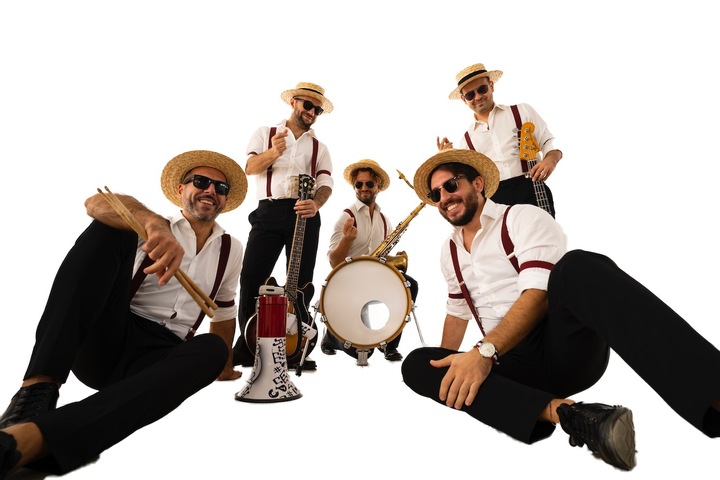
  • Party & dancing: This is where Pugliese weddings come alive. Southern Italian celebrations are famously energetic, and the dance floor is the focal point. A party band of 5-7 musicians with strong vocal talent is ideal. The repertoire should blend international hits (pop, rock, funk, Motown) with Italian classics and — crucially — at least a few pizzica or tarantella tracks to get the Italian guests moving. Brass instruments (trumpet, saxophone) add authentic southern Italian flavour.

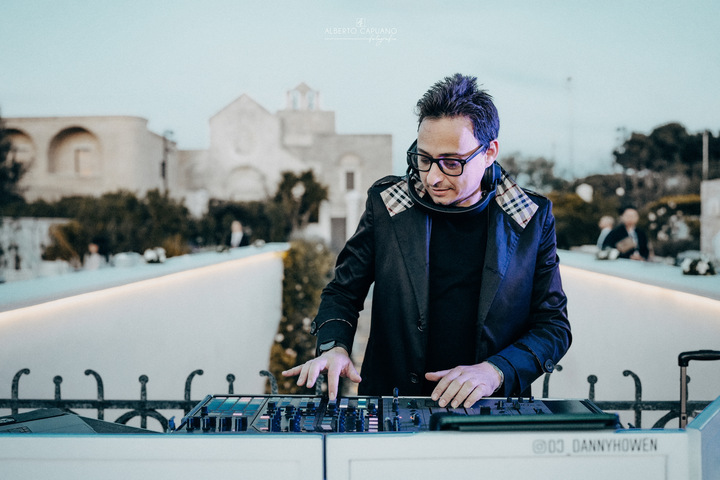
  • Late-night set: Many Puglia wedding receptions continue until 2am or later, especially at remote masseria venues. A DJ set from midnight onwards — or an acoustic wind-down set — keeps the energy going without the full band commitment.

Logistics & Planning

Getting Your Band to Puglia

Puglia is served by two airports: Bari Karol Wojtyła (BRI) and Brindisi Salento (BDS). Brindisi is closer to the popular Itria Valley and Salento venues, while Bari serves the northern Puglia coast and connections to inland areas. Both airports receive flights from major European hubs, with Ryanair and easyJet offering extensive seasonal routes.

Most professional Italian wedding bands working in Puglia are based locally (Bari, Lecce, Taranto) or travel from Naples or Rome. Neapolitan bands have a strong reputation for southern Italian wedding entertainment and regularly work the Puglia circuit. Travel costs from Naples are modest (3-4 hours by road); from Rome, expect €400-€800 in band travel expenses.

Setup & Equipment Considerations

  • Power: Rural venues require serious power planning. A 32A three-phase supply is ideal for a full band, PA, and lighting. Many masserie can provide this, but always confirm. Generator hire is common and costs €200-€400.
  • Load-in: Most masseria and rural venues offer direct vehicle access to the performance area. Urban venues in Lecce, Ostuni, and Polignano require careful advance planning — equipment trolleys and extra hands may be needed.
  • Weather: Puglia is one of Italy's driest regions, but summer thunderstorms do occur. An indoor backup plan or covered performance area protects both equipment and the schedule. Wind is a more persistent issue, especially at coastal venues.
  • Sound curfew: Rural masseria venues are generally relaxed, with music permitted until 1am-2am or later. Urban and semi-urban venues typically enforce curfews between 11pm and midnight. Confirm with your specific venue.

Typical Wedding Day Timeline

| Time | Activity | Music | |------|----------|-------| | 16:30 | Ceremony | String duo / acoustic guitar | | 17:30 | Aperitivo | Jazz trio / acoustic ensemble | | 19:30 | Dinner | Background piano or vocalist | | 22:00 | First dance & party | Full band | | 00:00 | DJ set or acoustic wind-down | Band DJ or separate DJ | | 01:30 | Music ends | — |

SIAE & Music Licensing in Puglia

As in all of Italy, live music at weddings in Puglia requires a licence from SIAE (Società Italiana degli Autori ed Editori). The process involves submitting a borderò — a setlist declaration — to the local SIAE office before the event. The fee for a private wedding typically ranges from €80 to €300, calculated based on guest numbers and event type.

Your wedding planner or venue coordinator will usually handle this. If you're organising independently, confirm with your band who will manage the SIAE paperwork. Local Pugliese bands handle this routinely. Non-compliance carries fines, so don't overlook this small but important administrative step.

Local Wedding Music Traditions in Puglia

Puglia has one of Italy's richest musical traditions, and several customs remain vibrant at modern weddings:

  • La Pizzica: The pizzica — Puglia's traditional folk dance, rooted in the ancient tarantismo ritual — is a wedding staple. Characterised by rapid tambourine rhythms and energetic partner dancing, it's the moment when Italian guests (and brave international guests) truly let loose. Even modern wedding bands typically know at least 2-3 pizzica standards, and it's common for a mini pizzica set to erupt spontaneously during the party.

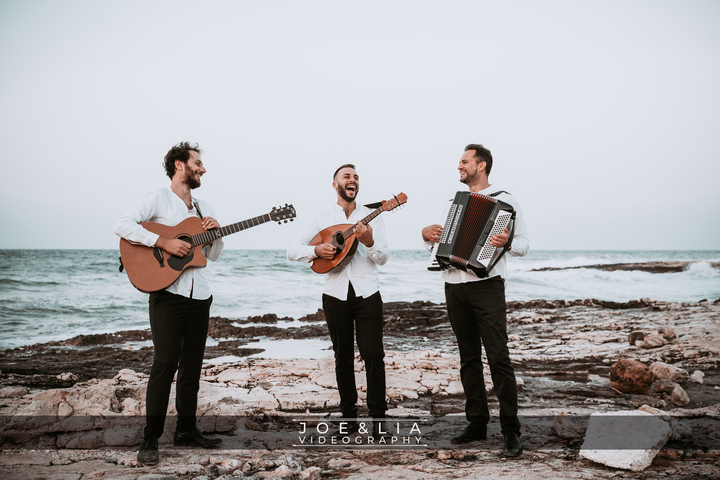
  • La Serenata Pugliese: In many parts of Puglia, the groom serenades the bride at her home the evening before the wedding. A small band accompanies the groom — typically accordion, guitar, and vocals — performing traditional Pugliese love songs. The bride eventually appears at the window or balcony, and the party spills into the street with food and wine for neighbours.

  • Brass band traditions: Puglia's brass band (banda musicale) tradition is centuries old. Town festas and processions always feature a marching band, and some couples incorporate a small brass ensemble for the ceremony recessional or as a surprise during aperitivo.

  • La tarantella pugliese: Distinct from the Neapolitan tarantella, the Pugliese version is closely related to the pizzica and features faster rhythms and more improvisational dancing. Having your band play a tarantella set is a guaranteed crowd-pleaser, especially with Italian guests.

Budget Guide for Wedding Bands in Puglia

Puglia offers slightly better value than Tuscany or the Amalfi Coast while still being a premium destination. Here's what to expect:

| Band Type | Typical Price Range | Notes | |-----------|-------------------|-------| | Solo musician (ceremony) | €350–€700 | Guitarist, harpist, or vocalist | | Duo (acoustic/jazz) | €1,000–€1,800 | Ideal for ceremony + aperitivo | | Trio or quartet | €1,500–€2,800 | Ceremony through dinner | | Full party band (4-6 pcs) | €2,500–€5,500 | Reception and dancing | | Premium showband (7+ pcs) | €5,500–€9,000+ | Full entertainment package | | DJ (standalone) | €600–€1,200 | Evening set only | | Band + DJ package | €3,000–€6,500 | Most popular option |

Additional costs to budget for:

  • Travel and accommodation for bands based outside Puglia: €300–€800
  • Generator hire (if needed): €200–€400
  • Stage and lighting rental: €400–€1,500
  • SIAE licence fee: €80–€300

Peak season (June and September) commands the highest prices. Mid-week weddings may receive a 10-15% discount. Book 9-12 months ahead for summer dates; the best local bands are often committed to multiple weddings per weekend during peak season.

Frequently Asked Questions

Can bands play late into the night at masseria venues?

Yes — this is one of Puglia's great advantages for wedding entertainment. Most rural masseria venues have no close neighbours and allow music until 1am, 2am, or even later by arrangement. This suits the southern Italian tradition of extended celebrations that run well past midnight. Always confirm the specific curfew with your venue, but expect significantly more flexibility than you'd find in urban settings or in northern Italian regions.

Is the pizzica essential at a Puglia wedding?

While not mandatory, including at least one or two pizzica tracks is highly recommended if you have Italian guests — it's a crowd favourite and creates an incredible energy on the dance floor. International guests also love it as a unique cultural experience. Most professional bands working in Puglia know the traditional repertoire. If your band is coming from outside the region, request that they learn 2-3 pizzica standards.

How does the heat affect bands performing outdoors in summer?

Puglia can reach 35-40°C in July and August, though evening temperatures (when bands typically perform) drop to a more comfortable 25-30°C. Direct sunlight during late afternoon ceremonies can be challenging for musicians and their equipment — keyboards and electronic gear are sensitive to extreme heat. Shaded performance areas, plenty of water for musicians, and fans near the stage area are considerate provisions. Many couples schedule their ceremony for 5pm or later to avoid the worst heat.

Should we book a local Pugliese band or one from outside the region?

Local bands offer genuine advantages: familiarity with venues, relationships with vendors, knowledge of local traditions, and no travel costs. Puglia has a strong live music scene, particularly in Bari and Lecce. However, some couples prefer bands from Rome or Naples for their specific style or reputation. Italian bands from any region will understand the cultural expectations. If hiring from the UK or elsewhere internationally, ensure they're experienced with Italian wedding logistics and can handle SIAE requirements.

Do we need separate musicians for the ceremony and reception?

Not necessarily. Many Puglia-based bands offer a flexible lineup where 2-3 members perform acoustically for the ceremony and cocktail hour, then the full band assembles for the evening reception. This is cost-effective and ensures musical continuity. However, if your ceremony is in a Catholic church, you may need a church organist or approved musician for the liturgical portions — check with the parish priest.

Find Your Perfect Puglia Wedding Band

Ready to find the ideal live band for your Puglia wedding? Browse our curated selection of professional wedding bands experienced in performing at masserie, trulli venues, and coastal settings across Puglia — from intimate acoustic duos to full showbands with that authentic southern Italian energy.

Browse Wedding Bands →

Not sure what you need? Tell us about your wedding and we'll recommend bands suited to your venue, style, and budget.

Get a Free Quote →

Planning a Wedding in Puglia?

Tell us about your wedding and we'll recommend the perfect live music for your Puglia celebration.