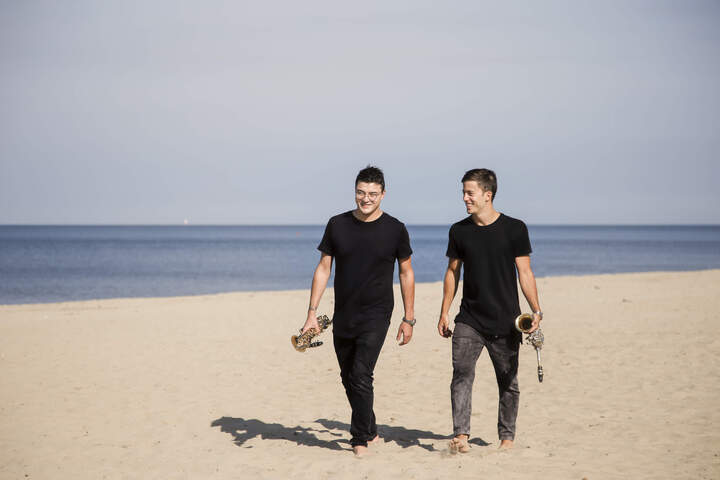
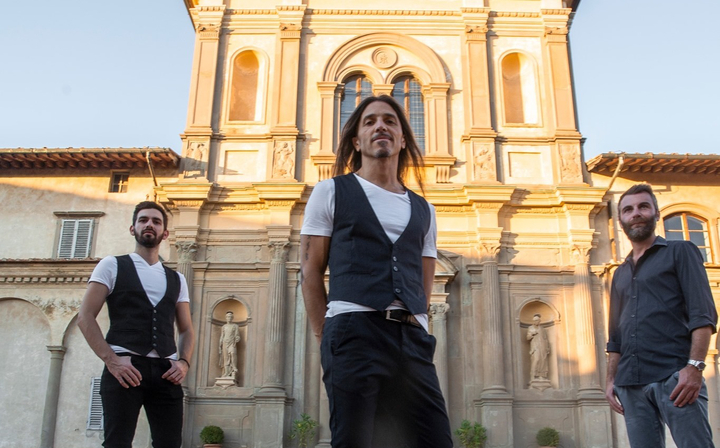
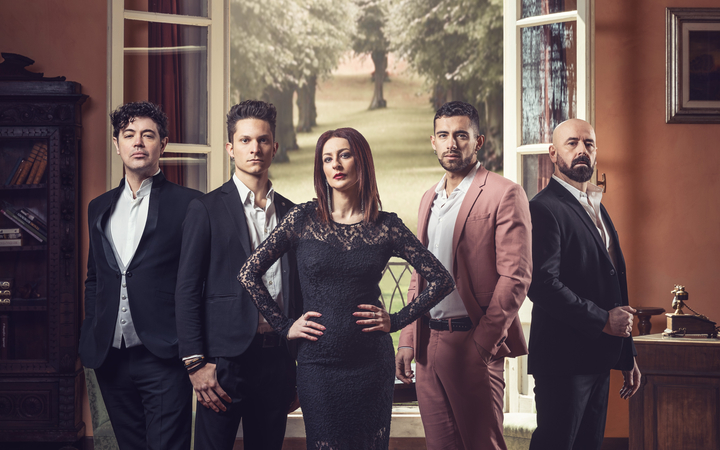
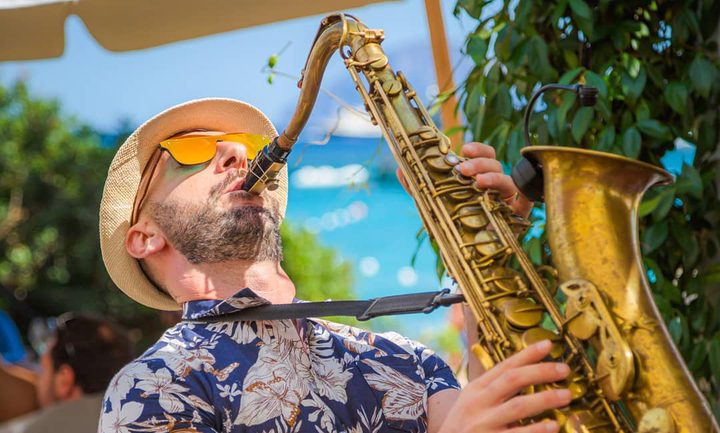
Music & Entertainment for Tuscan Weddings
Tuscan weddings typically follow a flowing timeline that benefits from live music at multiple points throughout the day:
-
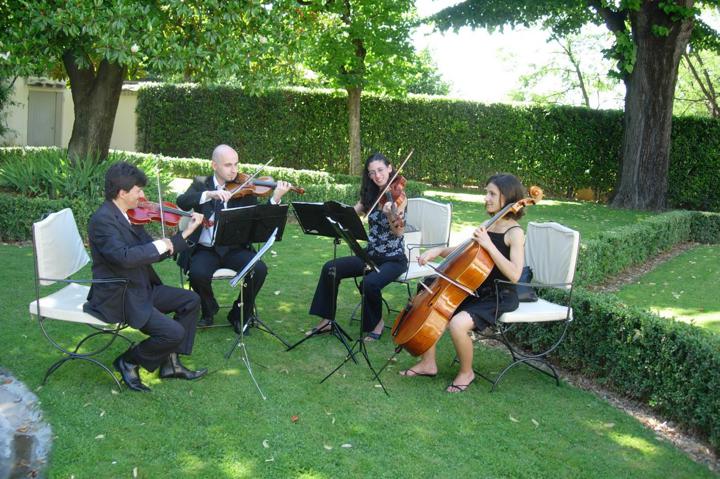
Ceremony music: A string duo or trio, a classical guitarist, or a solo vocalist is ideal for the ceremony. Many Tuscan churches and chapels have restrictions on amplification, so acoustic performers are essential. For civil ceremonies outdoors, a harpist or string quartet adds elegance without overpowering the setting.
-
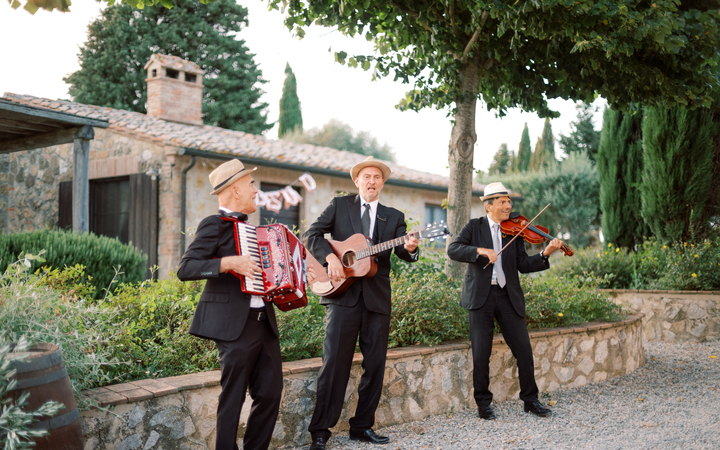
Aperitivo & cocktail hour: This is the golden hour of a Tuscan wedding — guests mingle with prosecco and bruschetta while the sun begins its descent. A jazz trio, bossa nova duo, or acoustic pop ensemble provides the perfect sonic backdrop. This is not the time for high energy; think conversational volume and sophisticated repertoire.
-
Dinner music: Many couples opt for background acoustic music during dinner — a pianist, a jazz combo, or the same ensemble from the aperitivo hour. Some venues position musicians on a balcony or terrace overlooking the dining area.
-
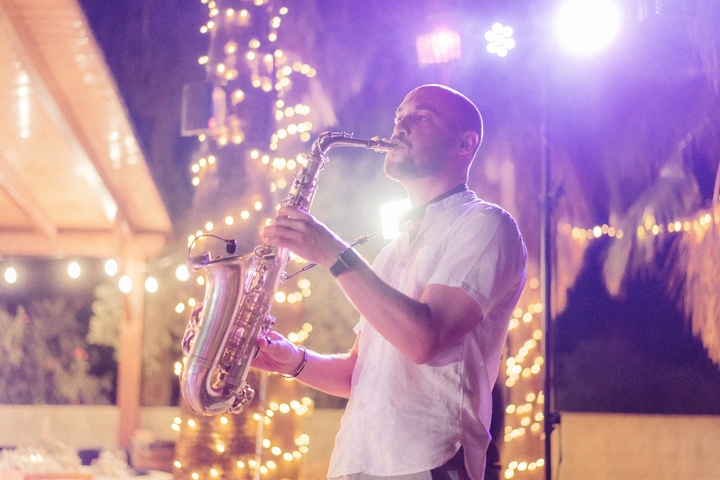
Party & dancing: After dinner, the energy shifts. A full party band (typically 4-7 musicians) or a showband (8+ musicians with brass, backing vocalists, and choreography) takes over. The best Tuscan wedding bands blend international hits with Italian classics — expect requests for everything from Motown and disco to Italian pop from Gianni Morandi to Måneskin.
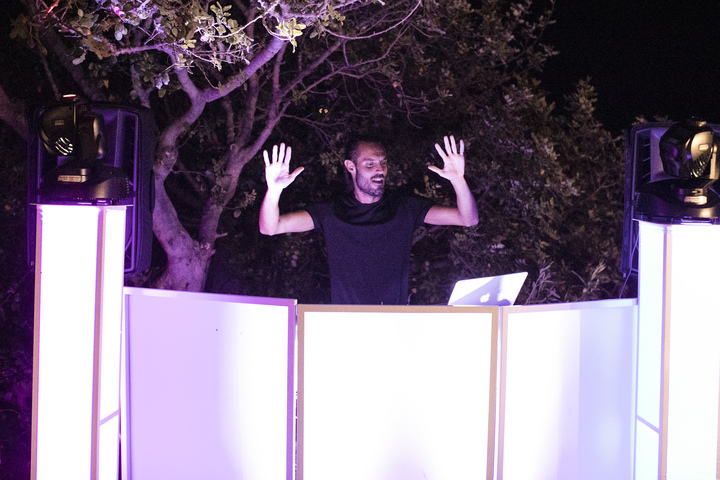
A DJ set to close the night (from 11pm or midnight onward) is common, often provided by the band's own DJ who can maintain the musical flow seamlessly.
Logistics & Planning
Getting Your Band to Tuscany
Most professional wedding bands based in Italy are concentrated in Rome, Milan, Naples, and Florence. For a Tuscan wedding, Florence-based bands have the shortest travel, but Rome and Milan-based bands regularly work in Tuscany and factor travel into their pricing.
If you're hiring a band from outside Italy (UK bands are popular with British couples), they'll typically fly into Pisa (PSA) or Florence (FLR). Pisa has more budget airline connections, while Florence is closer to the Chianti heartland. Bands travelling with their own equipment will need a van — rental vehicles with commercial insurance should be arranged in advance.
Setup & Equipment Considerations
- Power: Rural Tuscan venues may run on limited electrical supply. Confirm the available amperage with your venue and share this with your band. A dedicated 32A single-phase supply is the minimum for a full band setup. Many venues keep a generator on standby.
- Load-in: Narrow lanes, gravel roads, and flights of stone steps are common obstacles. Provide your band with detailed load-in instructions and photos of the route from parking to performance area.
- Stage & lighting: Few Tuscan villa venues provide stages. If the band requires one, this must be arranged through an event production company. Festoon lighting and uplighting for the band area enhance the atmosphere enormously and are usually arranged through the venue or a lighting specialist.
- Sound curfew: Tuscany does not have a blanket regional noise curfew, but individual comuni (municipalities) set their own rules. In the countryside, midnight is a common soft limit, with some venues allowing music until 1am or later. Urban and semi-urban venues may require music to stop by 11pm. Always confirm the venue's specific restrictions.
Typical Wedding Day Timeline
| Time | Activity | Music |
|------|----------|-------|
| 16:00 | Ceremony | String trio / acoustic |
| 17:00 | Aperitivo | Jazz trio / acoustic duo |
| 19:00 | Dinner | Background piano or ensemble |
| 21:30 | First dance & party | Full band |
| 23:30 | DJ set | Band DJ or separate DJ |
| 01:00 | Music ends | — |
SIAE & Music Licensing in Tuscany
In Italy, all live music performances at events — including private weddings — require a licence from SIAE (Società Italiana degli Autori ed Editori), the Italian copyright collection society. This applies whether a band plays covers, original compositions, or DJ sets.
The process works as follows: the organiser (typically the venue or wedding planner) submits a borderò — a setlist declaration — to the local SIAE office before the event. A fee is calculated based on the number of guests, ticket price (zero for a private wedding), and the type of event. For a typical private wedding, the SIAE fee ranges from €80 to €300.
Most experienced Italian wedding bands and planners handle the SIAE paperwork as a matter of routine. If you're working without a planner, confirm with your band or venue who is responsible for the SIAE submission. Non-compliance can result in fines, so this small administrative step is worth getting right.
Local Wedding Music Traditions in Tuscany
Tuscan wedding traditions tend to be more understated than the exuberant celebrations of southern Italy, but several musical customs persist:
-
La serenata: In parts of Tuscany, particularly the south near Siena, the groom may serenade the bride the night before the wedding. A small group of musicians accompanies the groom to sing beneath the bride's window — a tradition that dates back centuries.
-
Tarantella toscana: While the tarantella is more associated with southern Italy, Tuscany has its own folk dance traditions. At more traditional weddings, particularly in rural areas, guests may dance the saltarello toscano or request classic Italian folk songs.
-
Volare and Nel Blu Dipinto di Blu: No Italian wedding is complete without at least one or two Italian classics. In Tuscany, Domenico Modugno's "Volare," Dean Martin's "That's Amore," and more contemporary Italian pop are crowd-pleasers that bridge the gap between Italian and international guests.
-
The confetti toss: While not strictly musical, the throwing of sugared almonds (confetti) as the couple exits the ceremony is traditionally accompanied by joyful music — an upbeat recessional is essential.
Budget Guide for Wedding Bands in Tuscany
Tuscany's position as a premium wedding destination means entertainment pricing reflects the high-season demand. Here's what to expect:
| Band Type | Typical Price Range | Notes |
|-----------|-------------------|-------|
| Solo musician (ceremony) | €400–€800 | Guitarist, harpist, or vocalist |
| Duo (acoustic/jazz) | €1,200–€2,000 | Ideal for aperitivo + ceremony |
| Trio or quartet | €1,800–€3,000 | Ceremony through dinner |
| Full party band (4-6 pcs) | €3,000–€6,000 | Reception and dancing |
| Premium showband (7+ pcs) | €6,000–€10,000+ | Full entertainment package |
| DJ (standalone) | €800–€1,500 | Evening set only |
| Band + DJ package | €3,500–€7,000 | Most popular option |
Additional costs to budget for:
- Travel and accommodation for bands based outside Tuscany: €300–€800
- Generator hire (if needed): €200–€500
- Stage and lighting rental: €500–€2,000
- SIAE licence fee: €80–€300
Peak season (June and September) commands the highest prices. Mid-week weddings (Tuesday–Thursday) may receive a 10–20% discount from some bands. Booking 9–12 months in advance is recommended for the best bands; the most in-demand acts for the Tuscan summer season are often booked 12–18 months ahead.
Frequently Asked Questions
Can bands play outdoors at Tuscan villa weddings?
Yes — outdoor performances are the norm for Tuscan villa and estate weddings. However, you'll need to confirm power availability, weather contingency plans, and the venue's specific noise curfew. Most countryside venues allow outdoor amplified music until midnight, though some extend to 1am. Your band should be experienced with outdoor setups and carry their own PA system suitable for open-air use.
Do we need a separate ceremony musician and reception band?
Not necessarily. Many bands offer a multi-format service: an acoustic subset of the full band plays the ceremony and cocktail hour, then the full lineup takes over for the evening reception. This provides musical continuity and can be more cost-effective than hiring separate acts. However, if your ceremony is in a church, you may need a specialist church musician who knows the liturgical requirements.
How far in advance should we book a wedding band for Tuscany?
For peak season (May–September), aim to book your band 9–12 months in advance, and even earlier for the most popular acts. July and August are slightly less competitive than June and September as many Italian weddings avoid the extreme heat, but international demand keeps these months busy. Off-season weddings (October–April) offer more flexibility, but the best bands still book up months ahead.
Can a UK or international band perform at our Tuscan wedding?
Absolutely. Many British, American, and Irish bands regularly perform at Tuscan weddings. They'll need to manage their own travel logistics, equipment transport, and potentially work permit considerations (post-Brexit, UK bands need to check Italy's 90-day visa rules). The SIAE licence requirement applies regardless of the band's nationality. Some couples opt for an Italian band for reliability and local expertise, even if the repertoire is primarily English-language.
What about noise levels at historic venues?
Historic venues in Tuscany often have acoustically reflective surfaces (stone, marble, brick) that amplify sound. An experienced band will manage this by adjusting their volume, instrument arrangement, and PA setup. Some venues set decibel limits (typically 85-95 dB at the nearest property boundary) — your band should have a sound level meter and be prepared to work within these constraints. This is rarely a problem for professional acts who regularly play Italian venues.
Find Your Perfect Tuscan Wedding Band
Ready to find the ideal live band for your Tuscany wedding? Browse our curated selection of professional wedding bands experienced in performing at Tuscan venues — from intimate acoustic duos to full showbands that will keep your guests dancing until the early hours.
Browse Wedding Bands →
Not sure what you need? Tell us about your wedding and we'll recommend bands suited to your venue, style, and budget.
Get a Free Quote →